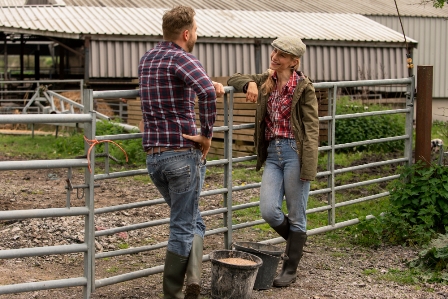

Whether you manage a large agricultural property or a small hobby farm, investing in quality Farm Sheds is one of the smartest long-term decisions you can make. A well-designed shed protects valuable equipment, livestock supplies, hay, vehicles, and machinery from Australia’s harsh weather while improving the efficiency of your day-to-day operations.
Unlike standard storage buildings, farm sheds are built to withstand demanding rural conditions. From heavy rain and strong winds to intense summer heat, the right shed provides dependable protection year after year. Choosing the correct size, design, and materials can also help reduce maintenance costs while increasing the overall value of your property.
In this guide, we’ll explain everything you need to know about selecting the ideal farm shed, common design options, practical planning tips, and the features that deliver the best return on investment.
Why Farm Sheds Are Essential for Australian Properties
Australian farms face unique environmental challenges. Machinery, livestock feed, fertilisers, and tools are all significant investments that need reliable protection.
Quality farm sheds provide benefits that extend well beyond simple storage.
Key advantages include:
- Protect expensive machinery from weather damage
- Extend the lifespan of farming equipment
- Store hay and feed in dry conditions
- Keep fertilisers and chemicals secure
- Create dedicated workshop areas
- Improve organisation across the property
- Reduce maintenance and replacement costs
- Increase overall property value
Rather than leaving valuable assets exposed to the elements, a purpose-built shed creates a secure and practical working environment throughout the year.
Types of Farm Sheds Available
Not every agricultural business has identical storage requirements. Modern farm sheds are available in numerous configurations to suit different industries.
Machinery Sheds
These large open-span structures are designed to house tractors, harvesters, sprayers, seeders, and other oversized equipment. Wide entrances allow machinery to move easily without unnecessary manoeuvring.
Hay Sheds
Proper ventilation is critical for hay storage. Hay sheds provide protection from moisture while allowing sufficient airflow to minimise spoilage.
Livestock Shelters
Livestock sheds offer protection from harsh weather while creating comfortable environments for cattle, sheep, horses, and other farm animals.
Workshop Sheds
Many farmers incorporate workshop space into their shed design, creating an area for machinery servicing, welding, fabrication, and equipment repairs.
Multi-Purpose Farm Sheds
One of the most popular options combines storage, workshop, and machinery areas under a single roof. These flexible designs maximise available space while improving workflow.
Factors to Consider Before Choosing a Farm Shed
Every farm operates differently. Before investing in a new structure, it’s worth evaluating both your current requirements and future growth plans.
Consider Your Storage Needs
Create a list of everything the shed will store, including:
- Tractors
- Utility vehicles
- Implements
- Hay bales
- Feed
- Fertilisers
- Irrigation equipment
- Workshops
- Spare parts
This helps determine the appropriate dimensions and internal layout.
Think About Future Expansion
Many property owners underestimate their future storage requirements. Purchasing a slightly larger shed now often proves more economical than extending a smaller structure later.
Site Selection
Choose a location that offers:
- Easy vehicle access
- Good drainage
- Stable ground
- Safe distance from trees
- Convenient access to utilities if required
A properly prepared site contributes significantly to the longevity of the building.
Choosing the Right Materials
Material quality directly affects durability and ongoing maintenance.
Steel Frames
Australian-made steel frames remain the preferred choice because they provide:
- High structural strength
- Excellent corrosion resistance
- Long service life
- Minimal maintenance
- Strong performance in extreme weather
Roofing Options
Popular roofing materials include:
- COLORBOND® steel
- Zincalume® steel
- Insulated roofing panels
Each offers different advantages depending on climate, insulation requirements, and budget.
Concrete Flooring
Concrete slabs deliver several practical benefits:
- Easy cleaning
- Heavy machinery support
- Reduced dust
- Greater durability
- Improved safety
Design Features That Improve Functionality
Modern farm sheds are highly customisable.
Useful additions include:
- Roller doors
- Sliding doors
- Personal access doors
- Skylights
- Ventilation systems
- Mezzanine storage
- Internal partitions
- Insulation
- Gutters and rainwater collection
- Solar panel compatibility
Selecting the right combination of features makes daily farm operations more efficient.
Practical Planning Checklist
Before finalising your shed design, work through the following checklist.
Planning Checklist
✔ Measure your largest machinery
✔ Allow room for future equipment
✔ Confirm council requirements
✔ Assess site drainage
✔ Choose quality Australian steel
✔ Plan door locations carefully
✔ Consider ventilation requirements
✔ Include workshop space if needed
✔ Think about lighting
✔ Budget for future upgrades
Proper planning helps avoid costly modifications later.
Common Mistakes to Avoid
Choosing a farm shed is a significant purchase, and avoiding common mistakes can save considerable money.
Avoid These Errors
- Buying based solely on price
- Underestimating future storage needs
- Ignoring local wind ratings
- Choosing poor-quality materials
- Forgetting drainage considerations
- Installing insufficient access doors
- Skipping council approvals
- Not planning electrical requirements
- Overlooking ventilation
- Failing to allow turning space for machinery
Taking the time to plan properly usually results in a better-performing building that lasts for decades.
Why Customisation Matters
No two farms operate exactly the same way.
A customised shed allows you to optimise:
- Internal workflow
- Vehicle access
- Storage efficiency
- Future expansion
- Safety
- Equipment protection
Rather than adapting your business around a standard building, custom designs allow the shed to support your operation.
If you’re considering professionally designed Farm Sheds, explore the available options at Farm Sheds to find solutions tailored to Australian farming conditions.
Maintenance Tips for Long-Term Performance
Although steel farm sheds require relatively little maintenance, regular inspections help maximise lifespan.
Good maintenance practices include:
- Remove debris from gutters
- Wash exterior cladding occasionally
- Inspect roof fasteners annually
- Check doors and rollers
- Monitor drainage around the slab
- Repair scratches promptly
- Trim nearby vegetation
Simple preventative maintenance helps preserve structural integrity for many years.
Is a Farm Shed Worth the Investment?
For most agricultural businesses, the answer is yes.
A quality farm shed offers measurable long-term value by protecting expensive assets, reducing repair costs, improving productivity, and supporting future business growth.
The return on investment often comes from:
- Lower machinery maintenance
- Longer equipment lifespan
- Better organisation
- Increased operational efficiency
- Reduced weather-related losses
- Higher property appeal
When designed correctly, a farm shed quickly becomes one of the hardest-working assets on the property.
Frequently Asked Questions
The ideal size depends on your machinery, storage requirements, and future expansion plans. It’s generally recommended to build slightly larger than your current needs to accommodate future growth.
Yes. High-quality Australian steel sheds are engineered to withstand harsh conditions, including strong winds, heavy rain, and extreme temperatures when designed to meet local building standards.
Many farm sheds require council approval, although requirements vary between local government areas. Always check local regulations before construction begins.
Absolutely. Modern farm sheds can include workshops, mezzanine floors, partitions, multiple access doors, insulation, skylights, and various storage configurations.
A well-built steel farm shed with routine maintenance can provide reliable performance for several decades.
Conclusion
Choosing the right farm shed is about much more than creating extra storage space. It’s about protecting valuable equipment, improving productivity, and investing in infrastructure that supports your farming operation for years to come. By carefully considering your current needs, planning for future growth, and selecting durable materials designed for Australian conditions, you’ll gain a practical asset that delivers lasting value. Whether you’re upgrading an existing property or developing a new agricultural site, investing in a professionally designed farm shed